THE POLITICAL MANDATE OF THE ARTS WITH STEVEN LAVINE
Join the Wende Museum, the Thomas Mann House, and dublab radio for the fifth program in our monthly virtual program series on art and politics in times of crises. The freedom of art is one of the imperatives of every democracy. But does this freedom make art inconsequential? Does art have a role in addressing social issues, promoting social justice, or in defending democracy when it comes under pressure? In short: does art have a political mandate?
The Student Council consists of a team of highly engaged, talented, and diverse high school, undergraduate, and graduate students who invite prominent guest speakers to discuss topics relating to art, culture, politics, and society. In conversation with visual artists, musicians, dancers, writers, theater and filmmakers, cultural critics, curators and others, the students will explore how the arts can make a difference in times of social and political crisis; on what social issues they can give new impulses; how they can help shape local communities; and how the alleged freedom and autonomy of the arts might impede or help the arts in terms of social and political significance.
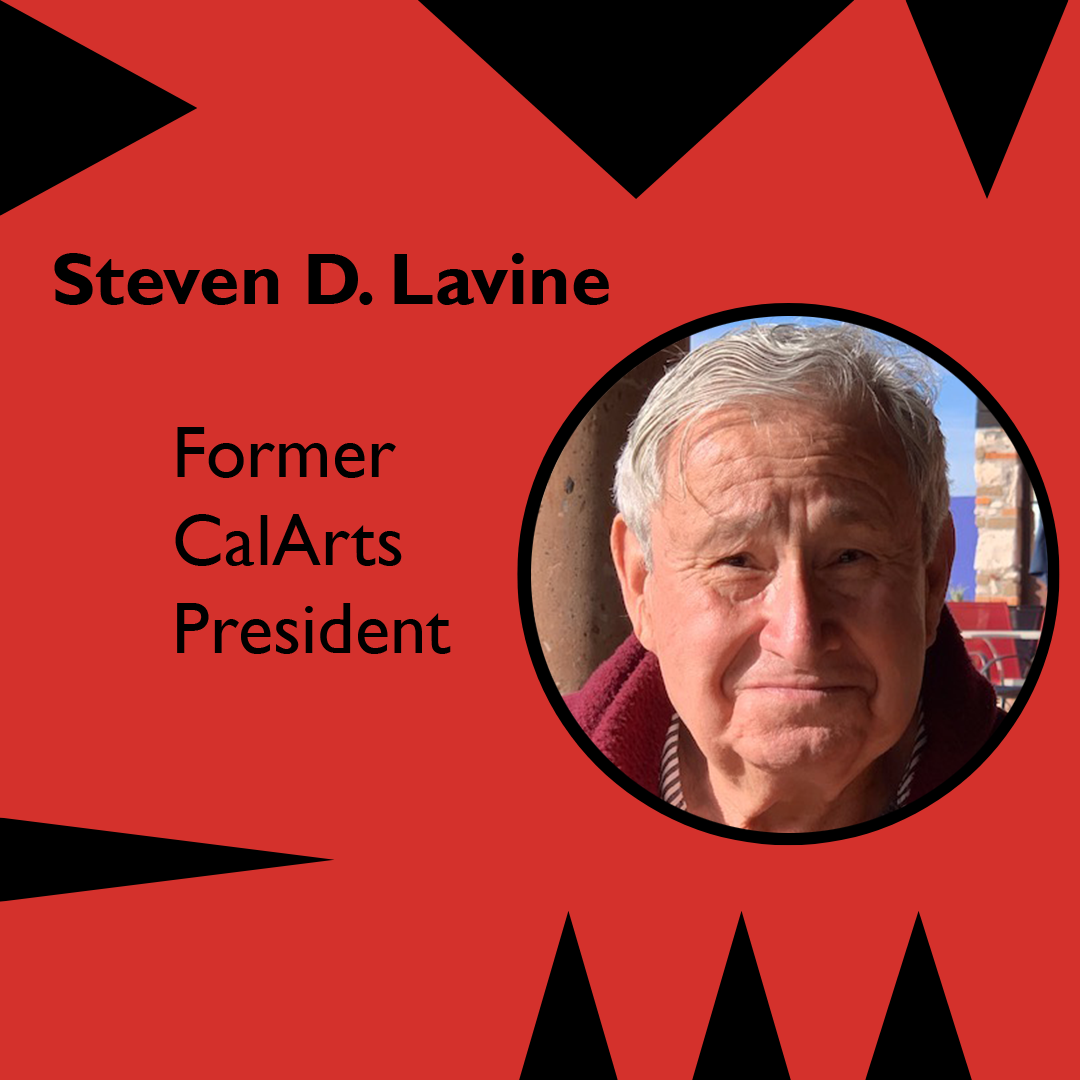
The guest speaker for our May program is Steven D. Lavine, who was president of the California Institute of the Arts for 29 years. Among his proudest accomplishments at CalArts was the international diversification of the student body with a special focus on Latin America and the establishment of REDCAT—the Roy and Edna Disney CalArts Theater—as an internationally recognized presenter of new work across the arts; and, above all, the maintenance at the center of all CalArts activity of creative and interdisciplinary exploration in the arts. He has co-edited two influential volumes: Exhibiting Cultures: the Poetics and Politics Of Museum Display (1991), and Museums and Communities: the Politics of Public Culture (1993), both published by the Smithsonian Institution.
